There are many Auckland homes where the original joinery is still doing its job perfectly well. The frames sit square, the hardware works, and the only real weak point is the single sheet of glass in the middle of it all. That is exactly the situation retrofit double glazing was built for.
Retrofit double glazing keeps your existing window frames in place and replaces the single pane of glass with a sealed insulated glass unit. The joinery stays where it is, the look of the house stays the same, and the glass takes over the job of holding heat in.
Most homeowners arrive at this point having already weighed up their options, so the questions that follow are practical ones, how the job is actually carried out and whether the windows you have will take a sealed unit. The wider question of value and cost is covered in our earlier guide, Double Glazing vs Single Pane. What follows here starts one step later, with the work itself.
Here is what this covers.
- How Retrofit Double Glazing Works, Step by Step
- Which Windows Suit Retrofit, and Which Do Not
- Timber, Aluminium and Heritage Joinery, What Changes
- What to Expect on Installation Day
- What Retrofit Changes, and What It Does Not
- Frequently Asked Questions
- Book an Assessment with The Window Doctor
How Retrofit Double Glazing Works, Step by Step
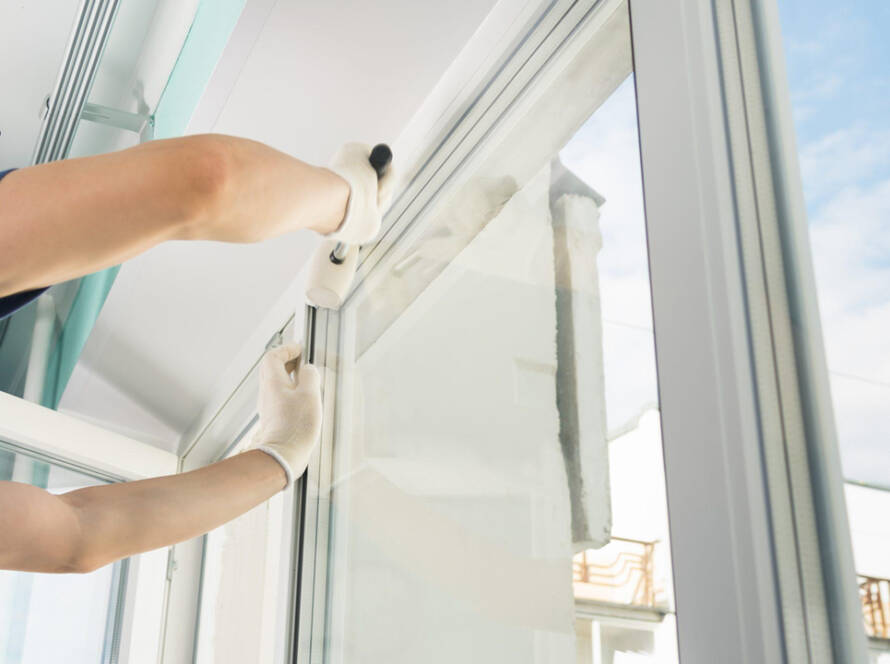
Retrofit double glazing works by removing the single pane from your existing frame, fitting a sealed insulated glass unit in its place, then re-beading and sealing the frame so it is weathertight again. The frame stays in the wall, which means architraves, interior linings and exterior cladding are generally left untouched.
- Assessment and measure. We look at the frame, sash and hardware on site, confirm there is enough rebate depth, and measure every opening. Thermal imaging is used where it helps to show exactly where heat is escaping.
- Frame and sash check. Timber is checked for rot and movement, aluminium for corrosion and distortion. Anything needing repair is dealt with before glass is ordered.
- Units manufactured to size. Each insulated glass unit is made to the measurements taken, which is why there is a lead time of a couple of weeks between the measure and the install.
- Old pane and glazing bead removed. The beads holding the glass in are lifted out, then the single pane comes away.
- Rebate prepared. The channel that holds the glass, known as the rebate, is cleaned out and where needed machined or packed so the thicker unit sits correctly.
- Insulated glass unit fitted. The unit is bedded in, squared up and secured in the frame.
- Re-beaded and sealed. New or adjusted beads hold the unit in place and the perimeter is sealed against weather.
- Final check. Sashes are re-hung or adjusted, hardware is tested, and each window is opened and closed to confirm it runs and latches properly.
The sequence is the same whether you are doing one room or the whole house. What changes is the volume of glass and the time on site.
Which Windows Suit Retrofit, and Which Do Not
Not every window can be retrofitted. A sealed unit is thicker and heavier than a single pane, so the frame has to be sound and the rebate has to be deep enough to hold it, and some joinery falls short on one or both counts. An assessment is what tells you which camp your windows sit in.
Suits retrofit
- Frames in sound condition, free of rot, corrosion or significant movement
- Enough rebate depth to take a sealed unit, or enough material to machine it out
- Hinges, stays and catches that can carry the extra weight, or that can be upgraded
- Standard casement, awning and sliding windows in timber or aluminium
Needs a closer look
- Timber with rot in the sill or lower stiles, which needs repair first
- Aluminium that has corroded at the joints or twisted out of square
- Shallow rebates that cannot hold a thicker unit without modification
- Louvre windows and some specialty or curved units
- Very large panes, where the added weight changes what the frame and hardware can carry
Landing in the second group does not mean the window is a write-off. Where retrofit is not the right fit, secondary double glazing or a replacement sash built into the existing frame usually achieves a similar result. Frames that need work beforehand can nearly always be repaired rather than replaced, which is the core of our window repair work.
Timber, Aluminium and Heritage Joinery, What Changes
Aluminium and timber windows can both take retrofit double glazing, though the work involved differs. Aluminium generally needs the glazing beads swapped for a deeper profile and the sash adjusted to carry the extra weight. Timber usually needs the rebate machined out, with the frame checked for movement and moisture damage first.
|
Frame type |
What is involved |
What to watch for |
|
Aluminium joinery |
Beads removed and often replaced with a deeper profile, sash adjusted for the added weight |
Corrosion at corners and joints, and older systems with shallow rebates |
|
Timber joinery |
Rebate machined out to take the thicker unit, frame repaired where needed before glazing |
Sills and lower stiles, where moisture damage tends to show up first |
|
Heritage and character homes |
Slim-profile units fitted so original sightlines and putty lines are kept |
Leadlights, decorative glass and anything that needs to stay visually original |
Character homes are where slim-profile units earn their place. A villa or bungalow keeps the proportions it was built with while the glass performs like a modern window. BRANZ has a useful technical overview of the upgrade options available for older timber windows if you want to read further.
One detail worth knowing, certain locations in a home, including doors, low-level glazing and bathrooms, require safety glass under the New Zealand Building Code. The assessment picks up where that applies, and the unit is specified accordingly.
What to Expect on Installation Day
Most windows take somewhere between 20 and 45 minutes each, depending on size, access and how the existing beads come away. A whole house is commonly finished within a day or two. Work moves room by room, and each window is completed before the team moves on, so the house stays secure and weathertight throughout.
A few things make the day run more smoothly.
- Clear a metre or so of floor space in front of each window
- Take down curtains, blinds and pelmets, or let us know and we will handle it
- Move ornaments, plants and anything else sitting on the sills
- Check the outside of each window is reachable, including any planting, fencing or stored gear in the way
- Keep pets and small children out of the rooms being worked on
Noise and dust are modest, closer to a hardware repair than a renovation. You do not need to be home for the whole job as long as we have access, though most people like to be there for the first window to see how it goes.
What Retrofit Changes, and What It Does Not
The gains show up quickly. Rooms hold their warmth for longer, heating works less hard for the same result, outside noise softens, and there is far less water sitting on the glass in the morning. According to EECA, up to 30 percent of a home’s heating energy is lost through its windows, with double glazing bringing that down to 20 percent or less.
Retrofit double glazing will greatly reduce window condensation on the glass, though it is not a standalone cure for household moisture. Retrofit upgrades the glazing, not the ventilation, so the moisture generated by showers, cooking, drying laundry indoors and unflued gas heating still needs somewhere to go. Aluminium frames themselves can also carry some condensation, since the frame is not thermally broken even once the glass is.
Over that first winter, a healthy result looks like dry glass most mornings, with a little moisture on the coldest days and in wet rooms. Keeping extractor fans running, opening the house up for a short burst each day, and dealing with moisture at the source is what closes the gap. For rentals, the same combination of warmer glazing and working ventilation is what the Healthy Homes Standards are built around.
If a unit ever mists inside the cavity itself, that is a failed seal rather than household condensation. Misted double glazing is repairable, and the unit can be replaced without touching the frame. Our double glazing repairs and upgrades page covers that work.
Frequently Asked Questions
How does retrofit double glazing work?
The single pane is taken out of your existing window frame and a sealed insulated glass unit is fitted in its place, then the frame is re-beaded and sealed. The frame stays in the wall, so linings, architraves and cladding are left alone.
Can all windows be retrofitted?
No. The frame needs to be structurally sound and the rebate deep enough to hold a thicker unit, which rules out badly corroded or rotten joinery, some shallow older systems, and certain louvre and specialty windows. Where retrofit does not suit, secondary glazing or a replacement sash is usually the alternative.
Can you retrofit timber joinery?
Yes, and it is common in Auckland villas and bungalows. The rebate is machined out to take the sealed unit, and any rot in the sill or stiles is repaired first so the frame carries the extra weight properly.
How long does it take per window?
Most windows take 20 to 45 minutes each, with larger or harder-to-reach openings taking longer. A full house is usually completed in one to two days once the units have been manufactured.
Will it stop condensation?
It greatly reduces condensation forming on the glass, since the inner pane no longer runs cold. Moisture generated inside the home still needs ventilation, so the best results come from pairing the glazing upgrade with extractor fans and daily airing.
Book an Assessment with The Window Doctor
A short on-site assessment is what settles whether a given window suits retrofit double glazing. We check the frame condition, measure the rebate, look at how the hardware is holding up, and tell you plainly which windows are ready to go and which need work first.
The Window Doctor has been repairing windows across Auckland for over 40 years, from Franklin to Rodney. We come at this as repair specialists, which means the frames you already have are the starting point rather than something to be replaced.
A photo of the window and a note about the joinery is usually enough to get started. Book an assessment with The Window Doctor today.