If your home still has single-pane windows, you’ve probably wondered whether upgrading to double glazing is really worth the cost. It’s one of the most common questions homeowners ask, especially during New Zealand’s colder months when condensation, draughts and rising heating bills become impossible to ignore.
According to EECA’s guide to window insulation, windows can account for up to 30% of a home’s heating energy loss, making them one of the biggest opportunities to improve comfort and energy efficiency. But that doesn’t automatically mean every single-glazed window needs replacing. In many cases, a well-executed repair or retrofit can solve the problem for a fraction of the cost.
Table of Contents
In this guide, we’ll compare double glazing vs single pane windows, explain the differences in performance, and help you decide whether a repair, retrofit, or full replacement is the right investment for your home. Whether you’re dealing with cold rooms, persistent condensation or ageing joinery, understanding your options can help you make a confident, cost-effective decision.
This article covers:
- What’s the Real Difference Between Single and Double Glazing
- Signs Your Single-Glazed Windows Need Attention
- Repair, Retrofit, or Full Replacement, and Which Is Right for You
- Whether Double Glazing Is Worth It for Your Home
- How Window Doctor Can Help
- Frequently Asked Questions
What's the Real Difference Between Single and Double Glazing?
Single glazing consists of one pane of glass fitted into a window frame, creating very little barrier between your home’s interior and the weather outside. Double glazing uses two panes of glass separated by a sealed air or argon-filled gap that acts as insulation, slowing the transfer of heat through the window.
While the difference sounds simple, it can have a noticeable impact on how your home feels throughout the year. Double-glazed windows stay warmer on the inside during winter, helping to reduce condensation and cold spots around the home, while also limiting the amount of outside heat that enters during summer.
For homeowners with older aluminium joinery, the difference is often obvious long before anyone starts looking at energy ratings. Cold glass, persistent condensation, draughts and rooms that lose warmth quickly after the heater switches off are all common signs that single glazing is no longer performing well.
Double glazing can also provide several additional benefits, including:
- Better insulation and thermal performance
- Reduced condensation
- Lower outside noise
- More consistent indoor temperatures
- Greater energy efficiency
- Improved appeal for future buyers
Signs Your Single-Glazed Windows Need Attention
Not every draughty window needs to be replaced, and not every case of condensation means it is time to upgrade.
These are the common signs to watch for:
- Condensation or crying windows, especially overnight and first thing in the morning
- Cold air you can feel around the frame on a windy day
- Seals that have gone hard, cracked, or fallen away from the glass
- Frames that no longer close firmly, or catches that do not pull tight
- Cracked, chipped, or fogged glass
- Noticeable outside noise coming through the glass
Some of these point to a simple repair. Worn seals, loose catches and minor draughts usually mean the frame itself is sound, and a repair or reseal will fix the problem. Others point toward an upgrade. If the glass itself has failed, if condensation persists even with good ventilation, or if a whole room stays cold no matter what you try, single glazing is likely working against you, and retrofit double glazing or replacement is worth considering.
Repair, Retrofit, or Full Replacement: Which Is Right for You?
Once you know what you are dealing with, the next question is which option makes sense. There are three real paths, and the right one depends on the condition of your existing frames as much as your budget.
Option | Best for | Approx. cost |
Repair | Worn seals, loose hardware, minor draughts, frames that are otherwise sound | Lowest cost, usually quoted per window |
Retrofit double glazing | Keeping existing frames while upgrading the glass, most single-glazed aluminium or timber homes | Moderate, generally less than full replacement |
Full replacement | Damaged or rotten frames, outdated joinery, or a wider renovation | Highest cost, includes new frames and glazing |
Repair
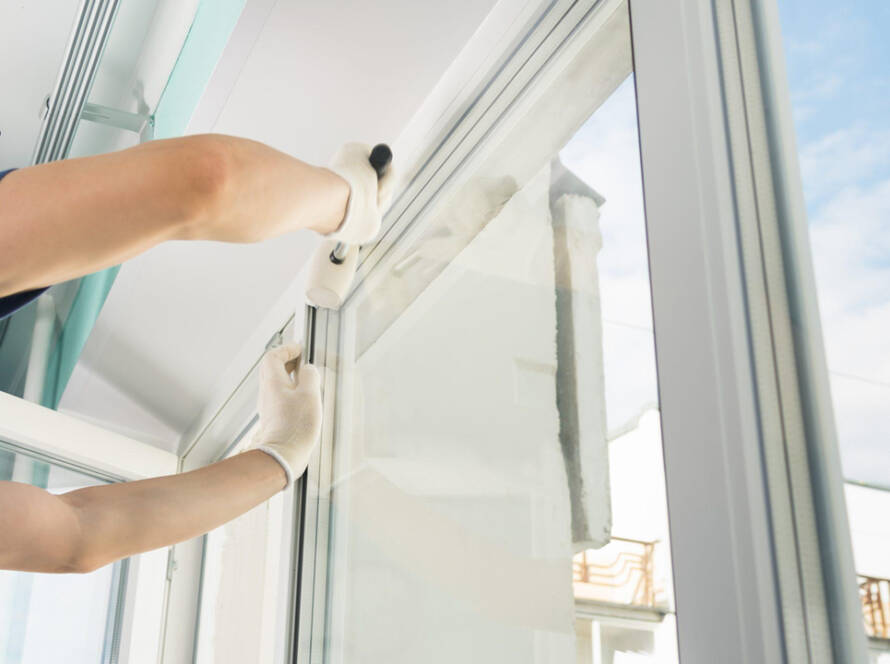
If your frames are performing well, replacing seals, adjusting hardware or fixing minor damage is often the most cost-effective solution. Many older windows have years of life left once they’re properly repaired.
Retrofit Double Glazing
Retrofitting replaces the existing single glass with an insulated double-glazed unit while keeping your current frames. It’s a popular option for homeowners who want better thermal performance without the cost of completely new joinery.
Full Replacement
Replacement is usually recommended when the frames themselves have deteriorated beyond economical repair or when you’re already replacing windows as part of a larger renovation.
Every home is different, so costs vary depending on window size, frame material, glazing specifications and installation access. An on-site assessment is the best way to determine which solution offers the greatest value.
Quotes vary depending on window size, frame material, glass specification and access, so treat the table above as a starting point rather than a fixed price. The only way to get an accurate figure for your home is a measured, on-site assessment.
Is Double Glazing Worth It for Your Home?
The short answer is that, yes double glazing is worth it for most New Zealand homes that are genuinely losing heat, fogging up, or letting in draughts, though a well-maintained single-glazed window with no damage may not need it yet.
Where double glazing earns its keep, the benefits are real. Rooms hold their warmth for longer, condensation drops noticeably, outside noise is reduced, and the improvement often adds appeal for buyers if you ever sell. For homes with cold, draughty rooms or persistent condensation, upgrading is generally worth the investment over time.
If your single-glazed windows are in good condition, seal properly and are not causing discomfort or damage, there is no rush to replace them. Sometimes the better move is to leave a well-functioning window alone and put the budget toward the window that is actually causing the problem.
How Window Doctor Can Help
At Window Doctor, every job starts with an assessment of the condition of your existing frames, the state of the seals and hardware, and whether the issue is a straightforward repair, a retrofit, or a genuine case for replacement.
If a reseal and hardware repair will solve the problem, that is what we recommend. If your frames are sound but the glass itself is the issue, retrofit double glazing lets you keep your existing joinery while gaining real thermal performance. If the frames are damaged beyond economical repair, we will talk you through replacement.
This repair-first approach is how we have worked with Auckland homeowners on window repairs and double-glazing upgrades alike, for over 40 years.
If your windows are draughty, fogging up, or just feel tired, book an assessment with Window Doctor and get a straight answer on repair, retrofit or replacement, whatever’s right for your home.
FAQs
Is double glazing worth it for NZ homes?
For most homes with real heat loss, condensation or draughts, yes. Double glazing can halve the heat lost through a window compared with single glazing, which makes a noticeable difference to comfort and heating bills. If your existing windows are in good condition, though, repair may be all you need for now.
How much does double glazing cost in NZ?
Cost depends on whether you repair, retrofit or fully replace your windows, along with size, frame material and access. Retrofit double glazing is generally more cost-effective than full replacement, since it reuses your existing frames. A measured, on-site quote is the only reliable way to know the cost for your home.
Can a damaged single-glazed window be repaired instead of replaced?
Often, yes. Many single-glazed windows only need attention to worn seals, loose hardware or a misaligned frame, all of which can usually be repaired without a full replacement. Replacement becomes the better option when the frame itself is damaged, rotten or beyond economical repair.